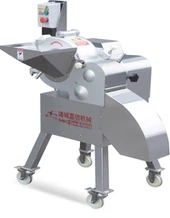
A dryer works by evaporating and removing moisture from materials through heating and ventilation, thus achieving drying. Specifically, a dryer typically consists of a heating system, a ventilation system, a material conveying system, and a control system. The heating system provides the heat source, the ventilation system distributes hot air evenly across the material surface, the material conveying system ensures uniform heating during the drying process, and the control system regulates temperature and humidity to guarantee the drying effect.
1. Heating: The dryer provides heat through heating elements (such as electric heaters or gas burners). Heating can be direct or indirect, depending on the type and design of the dryer.
2. Air Circulation: The dryer circulates hot air into the drying chamber using a fan. This hot air comes into contact with the surfaces of the objects, absorbing moisture.
3. Humid Air Removal: After absorbing moisture from the objects, the hot air becomes humid. The dryer removes this humid air through exhaust ducts to maintain low humidity within the drying chamber and provide space for fresh hot air.
4. Control System: Dryers are typically equipped with a control system that monitors and adjusts parameters such as temperature, humidity, and time during the drying process to ensure both drying effectiveness and safety.