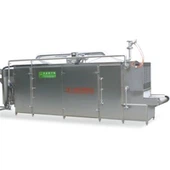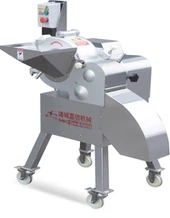


Equipment Introduction and Working Principle:
Commercial vegetable drying equipment, also known as large-scale vegetable dehydration and drying equipment, utilizes hot air circulation to rapidly remove moisture from vegetables through precise control of temperature, humidity, and air speed. Its core purpose is to maximize the preservation of vegetables' nutrients, color, and original flavor, while ensuring long-term storage, transportation, and further processing.
Main Working Principle
Commercial vegetable dryers primarily utilize hot air circulation drying technology. The basic process is as follows:
Heating:
The equipment generates a steady stream of hot air using electric heating tubes, steam heat exchangers, or gas burners.
01
Circulation:
A powerful circulating fan forces the hot air to circulate evenly, horizontally or vertically, within the drying oven or drying chamber.
02
Dehydration:
Cut vegetables are evenly laid out on multi-layer trays or conveyor belts. Hot air flows over the vegetables, removing moisture from their interior.
03
Dehumidification:
The hot, humid air, laden with water vapor, is partially exhausted, while fresh, dry air is replenished to maintain a low humidity level within the drying chamber, ensuring drying efficiency.
04
Finishing:
After a set period of time, the vegetables reach the target moisture content (usually around 13%), and the drying process is complete.
05
Compared to small household dryers or traditional air drying, commercial models offer the following significant advantages:
1. High Efficiency and High Capacity: Designed with large drying chambers or multi-layer conveyor belts, they can process hundreds or even thousands of kilograms of fresh vegetables at a time, meeting the needs of factory-scale production.
2. Automated Control: They are typically equipped with an intelligent PLC touchscreen control system, allowing precise setting and adjustment of parameters such as temperature, time, and humidity, enabling one-touch operation and reducing manual intervention.
3. High Drying Quality:
① Excellent color ② Good nutrient retention ③ Uniform appearance
4. Energy-saving and environmentally friendly
5. Hygienic and safe
6. Wide Application: Not limited to vegetables, by adjusting parameters, they can also be used to dry a variety of materials, including fruits, Chinese medicinal herbs, edible fungi, and meat.

Main Application Vegetable Types
Commercial vegetable dryers are suitable for most vegetables that require dehydration, such as:
Leafy vegetables: chives, leeks, celery, spinach, cabbage, etc.
Root vegetables: carrots, potatoes, sweet potatoes, yams, onions, ginger, garlic, etc.
Fruits and vegetables: chili peppers (for making dried chili peppers), pumpkin, okra, beans, cucumbers, tomatoes, etc.
Edible fungi: shiitake mushrooms, wood ear mushrooms, white fungus, king oyster mushrooms, etc.
Common Equipment Types
Based on their structure and conveying method, they are primarily categorized as follows:
1. Box (Tray) Dryer:
Features: Materials are placed on multi-layered carts and then pushed into the drying chamber for drying.
Advantages: Simple structure, low investment cost, suitable for small to medium-sized production or batch production.
Disadvantages: Manual loading and unloading is required, resulting in limited continuity.
2. Mesh-Belt (Continuous) Dryer:
Features: Material is evenly spread onto multiple layers of stainless steel mesh belts via a feeder. Driven by a transmission mechanism, it slowly moves through the dryer, achieving continuous loading and unloading.
Advantages: Fully automated continuous production, high output, labor savings, and suitable for large processing plants.
Disadvantages: The equipment occupies a large area and has a high initial investment.
3. Tunnel Dryer:
Features: The principle is similar to the mesh belt dryer, but the drying tunnel is longer, and the material is dried completely within the tunnel.
Advantages: Suitable for materials with longer drying times. Temperature can be controlled in zones, achieving a more precise drying curve.


Core Value for Customers
1. Extended Shelf Life:
Dehydrated vegetables have an extremely low water activity, inhibiting microbial growth. They can be stored at room temperature for 6-12 months, solving the problem of seasonal vegetable surpluses and spoilage.
2. Reduced Volume and Weight:
Weight is reduced by approximately 70%-90%, significantly reducing storage and transportation costs.
3. Enhanced Product Value:
Transforming perishable fresh vegetables into stable commodities such as dried vegetables, seasoning powders, and instant noodle seasoning packets expands sales channels and increases profits.
4. Ensured Stable Supply:
Unaffected by seasons and weather, stable production can be achieved year-round to meet market demand.


Production Gallery
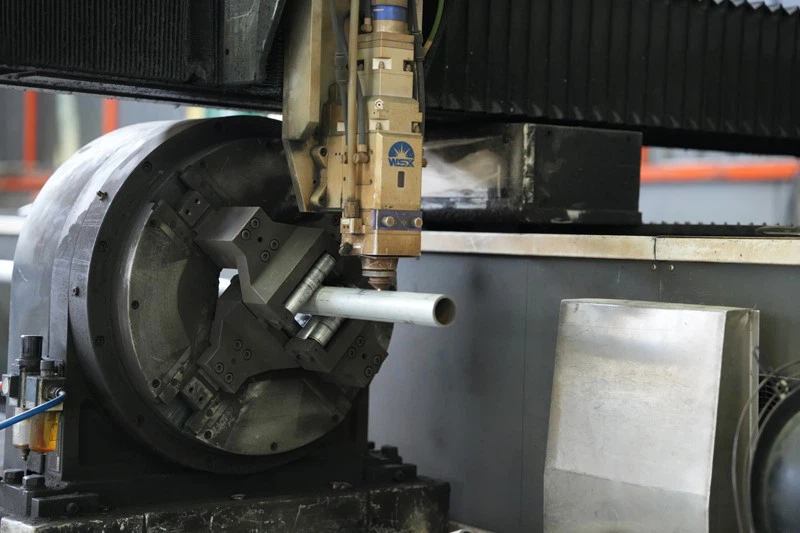
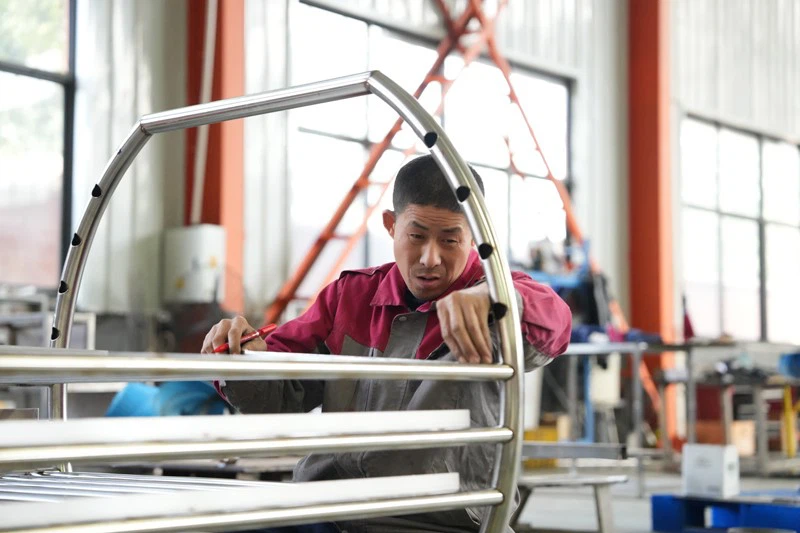

On-site pictures of equipment used by customers


Hot Tags: commercial vegetable dryer machine, China commercial vegetable dryer machine manufacturers, suppliers, factory, centrifugal vegetable drying machine, commercial vegetable dryer, commercial vegetable spin dryer, electrolux green machine salad spinner, fruit vegetable drying machine, lettuce drying machine