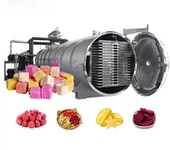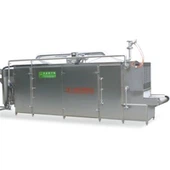
As an indispensable piece of equipment in the food processing industry, the daily maintenance of dryers is crucial for ensuring stable operation, extending service life, and guaranteeing food quality. Below are some key daily maintenance tips to help users better care for their food dryers.
Daily Cleaning
First, keeping the food dryer clean is the foundation of daily maintenance. After each day's use, wait for the equipment to cool to room temperature before cleaning. Disassemble removable parts such as drying trays and drying nets, and use a cleaning solution of warm water and neutral detergent to gently wipe them with a soft cloth. Avoid using overly harsh detergents. After cleaning, rinse thoroughly with clean water and let dry. At the same time, regularly clean the return air filter and lint collection box to ensure good ventilation and improve drying efficiency.
Filter Maintenance
The filter is an important component of the food dryer, used to filter impurities and dust generated during the drying process. After each use, the filter should be removed and cleaned. Soak the filter in warm water, gently brush it with a soft brush to remove dirt, rinse thoroughly, and let dry. If the filter screen is found to be damaged or deformed, it should be replaced promptly to prevent dust from entering the equipment and affecting drying efficiency and food quality.
Transmission System Lubrication
The transmission system of a food dryer consists of a motor and pulleys. Regularly inspecting and lubricating these components is crucial for maintenance. Use appropriate lubricating oil or grease to lubricate the bearings and gears of the transmission system to reduce friction and wear. Before lubrication, always disconnect the power supply and unplug the power cord to ensure safe operation. Additionally, check the belt tension and adjust the pulleys as needed to ensure the transmission system is in good working order.
Heating System Inspection: The heating system is the core component of the food dryer and directly affects drying efficiency. Regularly check the connections and surface condition of the heating elements. If there are stains or dust accumulation, gently wipe them with a soft cloth dampened with a small amount of vinegar or lemon juice, being careful not to wet the heating elements. Simultaneously, check the accuracy and reliability of the temperature control system to ensure precise temperature control during the heating process, avoiding food quality problems caused by overheating or underheating.
Exhaust System Cleaning
The exhaust system is responsible for removing moisture and hot air generated during the drying process. Regularly check and clean blockages in the exhaust pipes. Use professional exhaust pipe cleaning tools to gently remove dust and impurities, ensuring unobstructed exhaust. Poor exhaust not only affects drying performance but may also cause equipment malfunctions or safety hazards.
Electrical Component Inspection
Electrical components are crucial for the normal operation of the food dryer. Regularly check the power cord and plug connections for good contact, avoiding looseness or short circuits. Check electrical components such as motors and control panels for proper functioning; repair or replace any abnormalities promptly. Always disconnect the power supply and plug the device before performing any electrical maintenance work to ensure safety.
Overall Inspection and Adjustment
In addition to the maintenance of the specific components mentioned above, a comprehensive inspection of the food dryer should be performed. Check for loose bolts on the equipment base, the tightness of the support spring connections, and reliable grounding. Furthermore, observe the noise and vibration during operation; investigate and address any abnormalities promptly. Regularly check the flexibility of the computer control panel, impeller, and heat exchanger to ensure coordinated operation of all components.