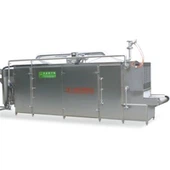
Many factories keep equipment in normal production, yet lack prepared wearing‑parts. Once components fail, production‑lines have to stop and wait for spare‑part sea‑shipment and cause heavy economic losses. Freeze dryers are not maintenance‑free devices. Certain components suffer natural aging and wear over runtime and count as wearing‑parts. Spare‑part inventory planning shall be made in advance.
Common wearing‑part list: 1. Silicone sealing components: chamber‑door sealing strip, valve sealing rings, flange gaskets; 2. Vacuum‑pump consumables: vacuum‑pump oil, vacuum‑pump filter elements; 3. Sensors: temperature sensors, vacuum pressure sensors; 4. Filter units: air‑intake filter, oil‑mist separator filter cartridge.
Stock‑recommendation by plant scale: Small‑scale plant (single freeze‑dryer, daily output several hundred kg): keep one complete set of chamber‑door sealing strip, 1‑2 sets of assorted valve sealing rings; stock half‑year consumption of vacuum‑pump oil & filters; prepare one backup sensor.
Medium‑scale plant (2‑4 freeze‑dryers): keep two sets of sealing‑type wearing‑parts; stock one‑year consumption of vacuum‑pump consumables; keep 2 pieces each for temperature & vacuum sensors; store partial pipe joints and standard fasteners.
Large‑scale plant (5 or more freeze‑dryers): build internal spare‑part warehouse. Purchase sealing‑parts and vacuum‑pump consumables according to annual‑consumption plan; arrange redundant backup for sensors and key valve components.
Important notes: ① Store rubber sealing parts under cool dark environment and avoid squeezing deformation. Rubber parts suffer natural aging even without usage and cannot be stored infinitely. ② Spare‑parts shall match exact unit model; different‑version components cannot be mixed arbitrarily. ③ Submit spare‑part procurement plan according to maintenance cycle in advance. Do not place emergency‑order only after components are completely broken.
Reasonable wearing‑part stock does not mean blind overstocking. Calculate stock quantity based on unit count, shift‑schedule and component service‑life. Prevent production‑stop risk meanwhile avoid waste from expired long‑term stored spare‑parts.