1. Hot Air Drying
Process Principle & Advantages
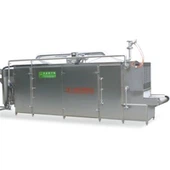
Hot air drying is a traditional and mature dehydration technology. It evaporates internal water of fruits and vegetables through continuous circulating hot air at 40–80℃ to achieve drying and preservation. This process features low cost, simple operation and mass production capacity. It well retains the original flavor of raw materials with a chewy taste, no greasiness, and long shelf life. It is widely used for common dried fruits and mushrooms, bamboo shoots and other dried ingredients.

2. Vacuum Freeze Drying (FD)
Process Principle & Advantages
Freeze drying is a high-end dehydration process. Raw materials are quickly frozen at ultra-low temperature and dehydrated by ice crystal sublimation under vacuum environment. With full low-temperature and oxygen-free processing, it retains more than 95% of natural nutrients. The finished products maintain complete and fresh appearance, with fluffy and crisp texture and excellent rehydration performance. It is the preferred process for high-end healthy snacks, infant complementary food and brewing materials.

3. Vacuum Low-Temperature Frying (VF)
Process Principle & Advantages
Different from traditional high-temperature frying, VF technology dehydrates fruits and vegetables under vacuum and low-temperature environment, then removes residual oil. It effectively avoids burnt taste and excessive grease. The finished products are crispy, rich in flavor and bright in color. With balanced cost and taste, it is the most mainstream process for commercial fruit and vegetable crisp snacks, suitable for large-scale market sales.

4. Pressure Differential Puffing (VD)
Process Principle & Advantages
Pressure differential puffing is a healthy physical dehydration technology. It forms loose and crisp internal structure through instant pressure flash evaporation, without frying and low oil content. The products feature light crisp taste, low nutrition loss and pure natural flavor. It is suitable for producing oil-free and low-fat healthy crisps, especially for fruits and vegetables that are easy to discolor and soften during traditional processing.

5. Process Comparison & Summary
Hot Air Drying: Low cost, chewy texture, suitable for daily dried ingredients and bulk products. Freeze Drying: Highest nutrition retention, fresh appearance, high-end positioning. Vacuum Low-Temperature Frying: Best crispy taste, cost-effective, mainstream commercial crisps. Pressure Differential Puffing: Oil-free and light crisp, healthy and low-fat positioning.