

Hey there! As a supplier of vacuum fryers, I've seen firsthand how these nifty machines can totally transform the taste of food. In this blog, I'm gonna break down exactly how a vacuum fryer affects the flavor profile of your favorite snacks and dishes. So, let's dive in!
First off, let's talk about the basics of a vacuum fryer. Unlike traditional High-temperature Deep-frying Machine, which use high heat to cook food, a Vacuum Low-Temperature Deep-Fryer operates at a much lower temperature under reduced pressure. This unique cooking method has several key benefits that directly impact the taste of the food.
One of the most significant advantages of vacuum frying is that it helps to preserve the natural flavors and nutrients of the ingredients. When you cook food at high temperatures, as in conventional frying, many of the delicate flavors and essential vitamins and minerals can be lost or destroyed. But with a vacuum fryer, the lower cooking temperature means that these valuable components are retained, resulting in a more intense and authentic taste.
For example, when making Fruit and Vegetable Chips Vacuum Frying Machine, the natural sweetness and freshness of the fruits and vegetables shine through. Apples, bananas, and sweet potatoes that are vacuum-fried maintain their original flavors, with a crispy texture that enhances the overall eating experience. You can really taste the difference compared to chips made with traditional frying methods, which often have a more generic, overcooked flavor.
Another way a vacuum fryer affects taste is by reducing the amount of oil absorption in the food. In regular frying, food can soak up a large amount of oil, making it greasy and heavy. This not only affects the taste but also adds unnecessary calories. Vacuum frying, on the other hand, uses a vacuum environment to lower the boiling point of the oil, allowing the food to cook more quickly and with less oil penetration.
The result is a lighter, crispier texture with a clean, non-greasy taste. Whether you're frying chicken wings, French fries, or tempura, you'll notice that the vacuum-fried version has a more balanced flavor and a satisfying crunch that doesn't leave you feeling weighed down. This is especially appealing for health-conscious consumers who still want to enjoy fried foods without the guilt.
In addition to preserving flavors and reducing oil absorption, a vacuum fryer can also enhance the aroma of the food. The lower cooking temperature allows the natural aromas of the ingredients to develop and intensify, creating a more enticing smell that can really whet your appetite. When you open a bag of vacuum-fried chips, you're greeted with a burst of fresh, inviting scents that make you eager to take a bite.
The aroma of vacuum-fried food can also have a psychological impact on how we perceive taste. Our sense of smell is closely linked to our sense of taste, and a strong, pleasant aroma can make the food seem even more delicious. So, not only does a vacuum fryer improve the taste of the food on a physical level, but it also enhances the overall sensory experience.
Let's take a closer look at some specific types of food and how they are affected by vacuum frying.
Meats
When it comes to frying meats, a vacuum fryer can make a world of difference. Traditional frying can often result in tough, dry meat that lacks flavor. But with vacuum frying, the lower temperature helps to seal in the juices, keeping the meat moist and tender. The reduced oil absorption also means that the meat doesn't become overly greasy, allowing the natural savory flavors to come through.
For example, vacuum-fried chicken can have a crispy, golden-brown exterior while remaining juicy and flavorful on the inside. The same goes for fish and other seafood. The delicate texture and mild flavor of these foods are preserved, and the vacuum frying process gives them a light, crispy coating that enhances the taste without overpowering it.
Vegetables
As mentioned earlier, vacuum frying is ideal for making vegetable chips. It allows the vegetables to retain their natural colors, flavors, and nutrients, creating a healthy and delicious snack. Vegetables like kale, spinach, and zucchini can be transformed into crispy chips that are packed with vitamins and antioxidants.
The vacuum frying process also helps to bring out the natural sweetness of vegetables like carrots and beets. These chips have a unique, sweet and savory flavor that is both satisfying and nutritious. And because they are low in oil, you can enjoy them guilt-free.
Desserts
Vacuum frying can also be used to create delicious desserts. For example, doughnuts and pastries can be vacuum-fried to achieve a light, airy texture with a crispy exterior. The lower oil absorption means that these treats are not as heavy or greasy as their traditionally fried counterparts, making them a more appealing option for those with a sweet tooth.
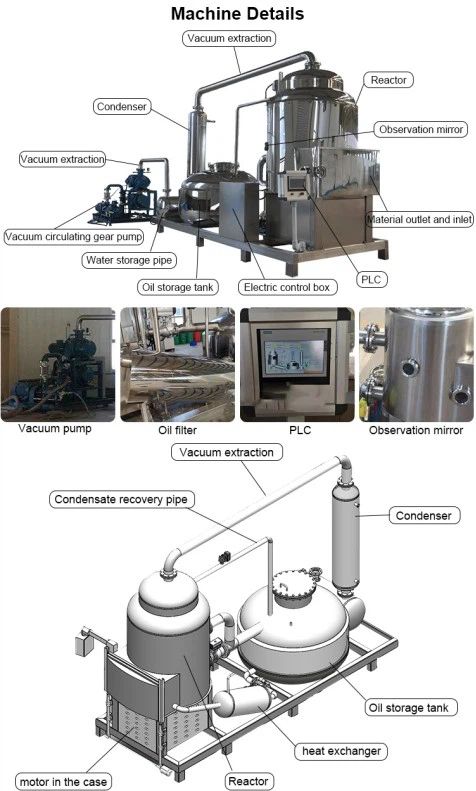

Fruit-filled pastries and pies can also benefit from vacuum frying. The fruits inside are cooked gently, preserving their natural flavors and textures, while the pastry crust becomes crispy and flaky. The result is a dessert that is both delicious and visually appealing.
In conclusion, a vacuum fryer has a profound impact on the taste of food. It preserves natural flavors, reduces oil absorption, enhances aroma, and creates a lighter, crispier texture. Whether you're a food manufacturer looking to create high-quality products or a home cook wanting to enjoy healthier, more delicious fried foods, a vacuum fryer is a great investment.
If you're interested in learning more about our vacuum fryers or are looking to purchase one for your business or home, I'd love to hear from you. We offer a wide range of models to suit different needs and budgets, and our team of experts can provide you with all the information and support you need. So, don't hesitate to reach out and start the conversation about how a vacuum fryer can take your food to the next level.
References
- "Vacuum Frying Technology: A Review" - Journal of Food Science and Technology
- "Effect of Vacuum Frying on the Quality and Nutritional Value of Food" - International Journal of Food Science and Nutrition