

Hey there! As a supplier of vacuum fryers, I've seen firsthand how these nifty machines can transform all sorts of food shapes into delicious treats. Let's dive into how a vacuum fryer works with different food shapes.
First off, let's understand the basic principle of a vacuum fryer. A vacuum fryer operates under low - pressure conditions. This low pressure lowers the boiling point of water. When food is placed in the fryer, the water inside the food boils at a much lower temperature than normal. This means we can fry the food at a lower temperature, which helps to preserve nutrients, reduce oil absorption, and maintain the natural color and flavor of the food.
Working with Thin and Flat Shapes
Thin and flat food shapes, like potato slices or apple chips, are a common choice for vacuum frying. When these thin slices are put into the vacuum fryer, the low - pressure environment allows the water inside them to rapidly turn into steam. The steam escapes from the slices, creating a crispy texture.
The flat shape of these slices also ensures even heat distribution. Since the surface area is large relative to the volume, the heat can penetrate the slices quickly and evenly. This results in a uniform frying process. For example, when making potato chips, the thin slices are loaded into the vacuum fryer basket. As the pressure drops and the oil heats up, the water in the potatoes starts to boil off. The result is a batch of crispy, golden - brown chips that retain the natural flavor of the potatoes. If you're interested in a machine for making these kinds of chips, check out our Fruit and Vegetable Chips Vacuum Frying Machine.
Handling Irregular Shapes
Irregularly shaped foods, such as mushrooms or bell peppers, present a bit of a challenge. These shapes have uneven surfaces and varying thicknesses. However, the vacuum fryer is still up to the task.
The low - pressure environment in the fryer helps to penetrate all parts of the irregularly shaped food. Even though some parts might be thicker than others, the steam can still escape from the food. The key is to control the frying time and temperature carefully. For instance, mushrooms have a soft and porous structure. When fried in a vacuum fryer, the low - pressure allows the moisture to be removed gently, resulting in a crispy exterior while maintaining the tender interior.
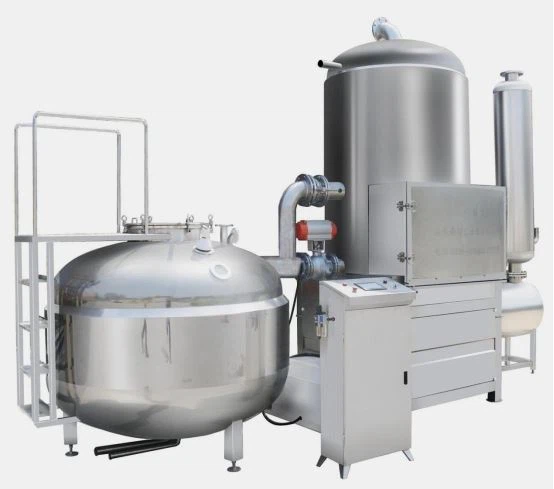
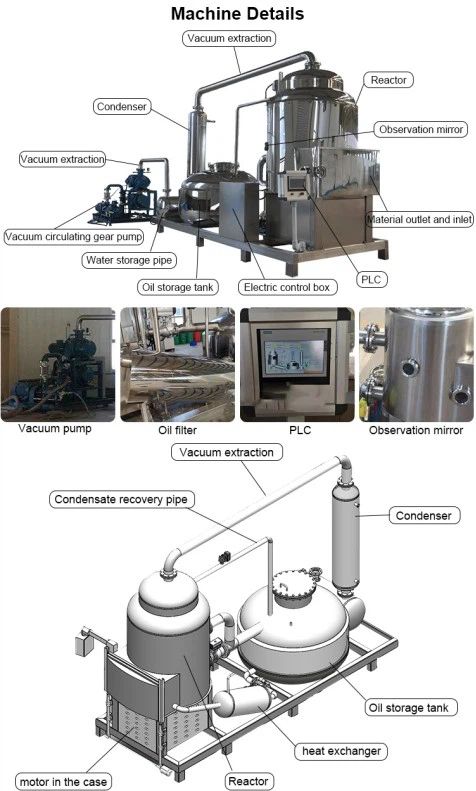
Our Vacuum Low - Temperature Deep - Fryer is great for handling these irregular shapes. It can be adjusted to different frying times and temperatures to ensure that all parts of the food are fried properly.
Dealing with Small and Round Shapes
Small and round food shapes, like cherry tomatoes or small berries, are also suitable for vacuum frying. These shapes have a relatively small volume and a high surface - to - volume ratio.
When placed in the vacuum fryer, the water inside these small round foods quickly turns into steam. The steam escapes through the skin of the fruits or vegetables, creating a unique crispy texture. For example, when frying cherry tomatoes, the vacuum fryer can turn them into delicious, bite - sized snacks. The low - temperature frying also helps to preserve the natural nutrients in the tomatoes.
Frying Long and Cylindrical Shapes
Long and cylindrical shapes, such as sweet potato sticks or carrot batons, are another common food type for vacuum frying. The length of these shapes can sometimes pose a challenge in terms of even frying.
However, the vacuum fryer's low - pressure environment helps to address this issue. The steam can escape from the entire length of the sticks, ensuring that they are fried evenly. The key is to make sure that the sticks are properly spaced in the fryer basket to allow for good circulation of the oil. Our High - temperature Deep - frying Machine can handle these long and cylindrical shapes effectively, providing a consistent frying result.
The Importance of Pre - treatment
Regardless of the food shape, pre - treatment is crucial. For example, blanching the food before frying can help to remove excess moisture and improve the final texture. Cutting the food into the right size and shape also plays a role. If the pieces are too large, the inside might not be fully fried. If they are too small, they might break apart during the frying process.
Advantages of Vacuum Frying for Different Shapes
One of the biggest advantages of using a vacuum fryer for different food shapes is the reduction in oil absorption. Since the frying is done at a lower temperature, the food doesn't soak up as much oil as it would in a traditional fryer. This makes the fried food healthier without sacrificing the taste.
Another advantage is the preservation of nutrients. The low - temperature frying process helps to retain the vitamins and minerals in the food. For example, when frying vegetables, the natural color and flavor are also better preserved.
Conclusion
In conclusion, a vacuum fryer is a versatile machine that can handle a wide variety of food shapes. Whether it's thin slices, irregular shapes, small rounds, or long cylinders, the vacuum fryer can transform these foods into delicious, healthy snacks.
If you're in the market for a vacuum fryer, we're here to help. Our range of vacuum fryers, including the Fruit and Vegetable Chips Vacuum Frying Machine, High - temperature Deep - frying Machine, and Vacuum Low - Temperature Deep - Fryer, are designed to meet your specific needs. We're happy to discuss your requirements and help you find the perfect vacuum fryer for your business. So, don't hesitate to reach out and start a conversation about purchasing one of our amazing vacuum fryers!
References
- Smith, J. (2020). The Science of Vacuum Frying. Food Technology Journal.
- Brown, A. (2019). Vacuum Frying: A New Approach to Healthy Snacks. Snack Industry Magazine.